Urban infrastructure presents unique challenges, particularly in cities like Minneapolis, where aging sewer systems often clash with modern development. Traditional methods of repairing or replacing underground pipes can disrupt daily life, uproot landscapes, and lead to significant costs. Trenchless technology emerged as a solution that minimizes surface disruption while effectively addressing issues like cracked sewer pipes, pipe corrosion, and collapsed sewer lines. This article delves into why trenchless technology is especially suitable for urban areas, emphasizing its benefits while exploring real-world applications.
Understanding Trenchless Technology
Trenchless technology involves a variety of methods that allow for the repair or replacement of underground piping with minimal excavation. Core techniques include cured-in-place pipe lining (CIPP), which essentially creates a new pipe within the existing one using resin and a flexible liner. Other methods involve horizontal directional drilling, which enables new pipes to be installed without disturbing the ground above.
These approaches are not just innovative but also practical in urban settings where space is limited and existing structures could be negatively impacted by traditional digging. The ability to execute no-dig pipe repairs means that utilities can maintain services with minimal inconvenience to residents and businesses alike.
The Case for Trenchless Technology in Urban Environments
Minimizing Disruption
In cities like Minneapolis, construction activities can lead to significant disruptions in traffic flow and accessibility. Roads may need to be closed, sidewalks obstructed, and local businesses affected. By utilizing trenchless methods, companies can avoid extensive digging and keep roadways intact. For instance, when a damaged underground pipe is detected near a major thoroughfare, trenchless sewer repair allows for swift action without the need for large-scale excavation.
Residents often notice fewer disturbances during repair projects when trenchless technology is applied. This means less noise pollution from heavy machinery and reduced travel time delays due to road closures.
Cost-Effectiveness
Though trenchless technology may initially appear more expensive than traditional methods due to specialized equipment and techniques, it often proves more cost-effective in the long run. Consider the expenses associated with restoring roads after significant digging – these costs can quickly escalate beyond initial estimates. With trenchless solutions that require less restoration work, municipalities save money on both immediate repairs and long-term maintenance.
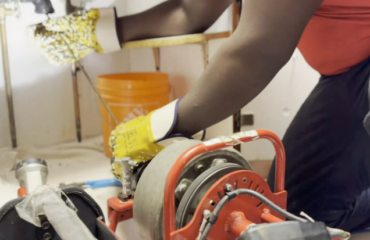
Additionally, quick completion times inherent to trenchless projects translate into lower labor costs and less interruption to service delivery. When managing city budgets that already stretch thinly across various needs, these savings become critical.
Environmental Benefits
Urban areas grapple with environmental concerns such as water runoff and pollution from construction activities. Trenchless technology offers an environmentally friendly approach by reducing soil erosion and limiting land disturbance. For trenchless repair services example, when replacing aging sewer pipes near sensitive ecosystems or waterways in Minneapolis' parks or lakeshores, minimizing surface disruption helps protect these valuable natural resources.
Moreover, trenchless methods typically generate less waste compared to traditional piping techniques since they often involve rehabilitating existing pipes rather than completely removing them from the ground.
Addressing Aging Infrastructure
Many urban centers face challenges related to aging infrastructure—Minneapolis included. The city has thousands of miles of underground pipes that have deteriorated over decades due to corrosion or invasive tree roots causing cracks. Trenchless technology provides effective solutions tailored for these conditions through processes like CIPP pipe lining.
By applying this technique, damaged sections of sewer lines can be swiftly repaired without needing full replacements. It extends the life of existing infrastructure while ensuring compliance with current regulations on wastewater management—a critical concern for metropolitan areas striving to improve their environmental impact.
Quick Response Time
Emergencies involving broken sewer lines or significant leaks require immediate attention; otherwise, they can lead to public health risks or property damage if left unaddressed. With trenchless plumbing repair options available today, utility companies can respond rapidly when issues arise.
For instance, if a homeowner discovers sewage backup attributed to a cracked sewer line during peak usage hours—such as holiday gatherings—trenchless solutions allow for urgent repairs without prolonged disruption. This rapid response capability helps safeguard public health while maintaining trust between service providers and residents.
Real-World Applications in Minneapolis
Minneapolis has seen successful implementations of trenchless technology across various projects aimed at enhancing its infrastructure resilience while minimizing disruptions.
One notable project involved upgrading an aging sewer line beneath a busy downtown area known for its foot traffic and vibrant business scene. By employing CIPP lining methods instead of traditional excavation techniques, construction crews were able to replace damaged portions of the line overnight without affecting daytime operations of nearby shops or restaurants.
Another example includes addressing water main breaks in residential neighborhoods where tree roots have infiltrated fragile piping systems over time—a common issue throughout urban areas nationwide. By opting for horizontal directional drilling combined with CIPP lining services tailored specifically toward root intrusion problems faced by older homes constructed decades ago—Minneapolis successfully mitigated multiple emergency scenarios while preserving community aesthetics.
Recognizing Signs of Sewer Line Failure
An integral component of proactive infrastructure management lies in recognizing early warning signs associated with potential sewer line failures before they escalate into emergencies requiring costly repairs down the line:
Slow Drains: A gradual decrease in drainage speed throughout your home may indicate blockages within your plumbing system. Unpleasant Odors: Foul smells emanating from drains suggest buildup or leaks within your sewer system. Water Damage: Unexplained damp spots on walls or ceilings could signify leaking pipes hidden behind surfaces. Mold Growth: Mold presence around plumbing fixtures may indicate persistent moisture caused by failing pipes. Lush Patches in Lawns: Excessive greenery could point toward leaks feeding your grass unnecessarily—a telltale sign rooted deep within your buried systems requiring inspection.Regular maintenance checks help mitigate these risks by identifying small problems before they morph into larger ones necessitating extensive repairs down the road—another area where trenchless technologies shine as effective preventive measures against escalating costs associated with neglected infrastructures over time.
Conclusion: A Forward-Looking Approach
As urban environments evolve alongside technological advancements shaping our world today—the integration of sustainable practices becomes increasingly crucial in safeguarding our communities’ infrastructures against inevitable wear-and-tear caused by time itself coupled with continuous demands placed upon them through modern living patterns we’ve come accustomed too.
Trenchless technologies represent not merely an option but perhaps one of the best choices available when tackling complex issues related specifically towards maintaining functional robust water-sewer systems capable enough withstands pressures imposed upon them within bustling city confines like those found throughout Minneapolis metropolitan area regions spanning vast distances extending far beyond its borders reaching neighboring suburbs eager also embrace change towards innovation moving forward collectively together crafting brighter futures ahead!